The Cummins Formula: Optimizing Power & Efficiency for Mining Engines
Originally published by International Mining, November 2025
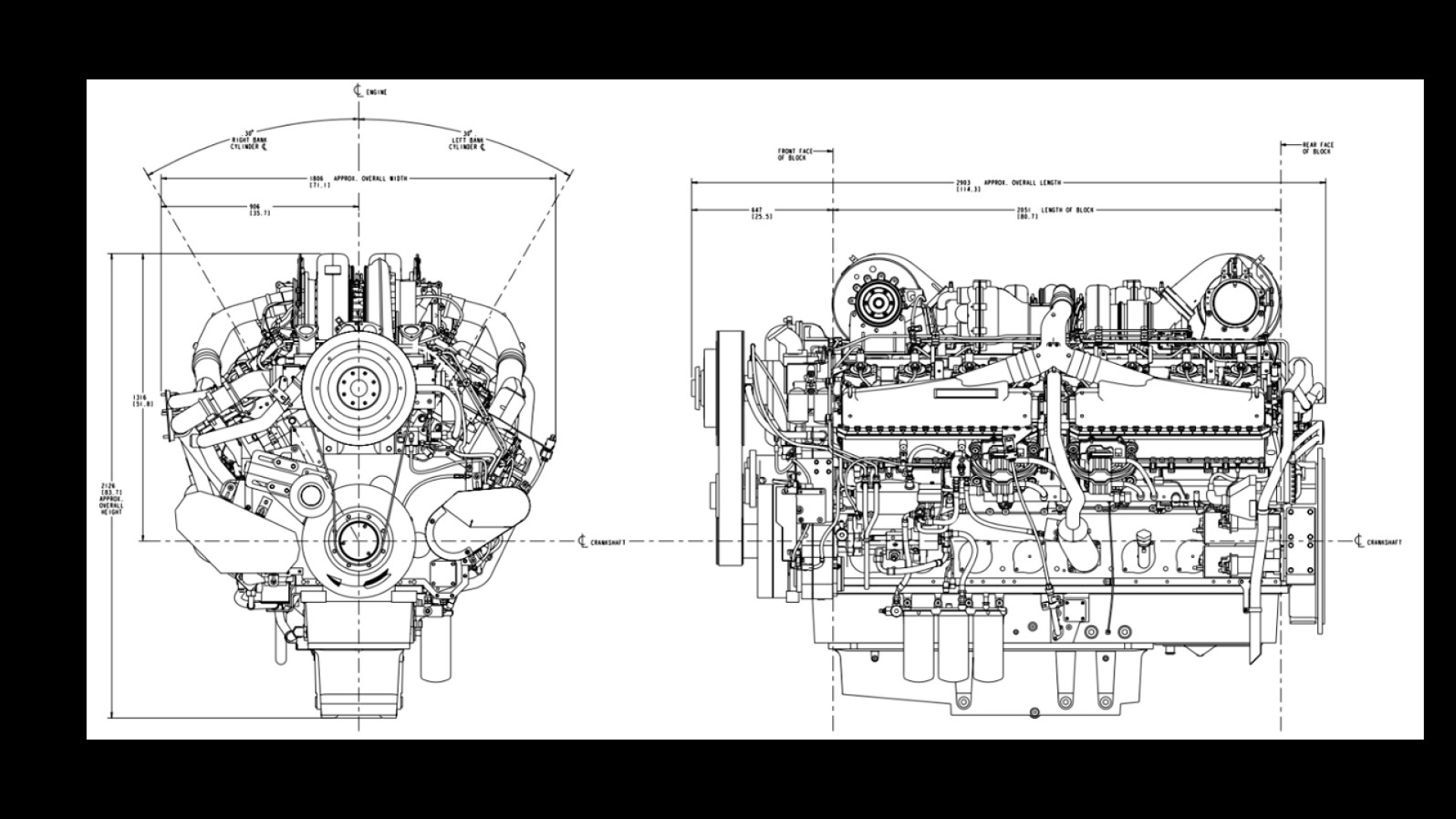
Mining is a complex and diverse industry, with operations often located in some of the most remote and challenging environments on Earth. Cummins high-horsepower engines are engineered to meet these demands.
Cummins engines are famous for our best-in-class power density, high-altitude capability without derate and generally exceptional performance. How does Cummins achieve this? Our approach to identifying the best combination of engine displacement, physical size, maximum torque and other key performance attributes is a unique and specialized process—or what we call, our “formula.”
This formula has been developed and refined through years of global experience across many ground-breaking new engine programs.
The best part? It’s not a secret formula. It’s a collaborative process driven by close customer partnership. Through on-site visits, active listening, and dedicated support—delivered with openness, integrity, and transparency—our engineers gain critical insights that inform and guide product development.
Cummins 4-Step Formula
Step 1: Key Architectural Parameter Flow Down
Our process begins by focusing on the key parameters that will physically shape and size the new engine. The answer from one consideration flows down and directs the next set of decisions to make
- Configuration: Basic engine form factor and target size drives configuration
- Air/Fuel Ratio: Target peak power & fuel efficiency drive air/fuel ratio and necessary flow rates
- PCP vs. Displacement: Heat release modeling determines possible combinations of peak cylinder pressures and displacements
- Physical size: Cylinder bore size & spacing along with best matched PCP vs. displacement defines engine’s physical size
Step 2: Combustion Modeling and Parameter Selection
Cummins in-house Combustion and Performance Engineers utilize a variety of analytical tools as they work through the multitude of specification options to create the ideal blend of power, fuel efficiency, and low emissions.
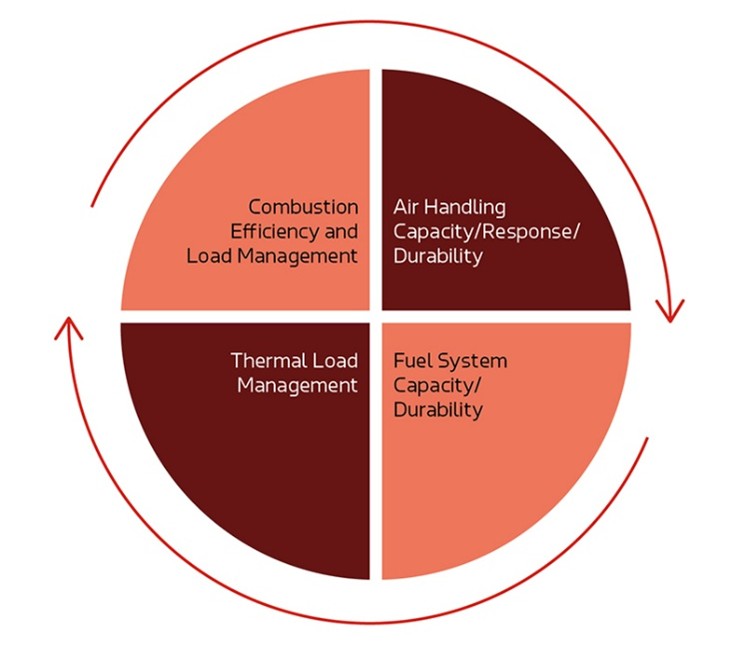
Step 3: Iterative Optimization
Iterative Optimization is a process of continuously improving a design or strategy by repeating cycles of experimentation, analysis, and refinement. It involves making small, incremental changes based on feedback and data to gradually achieve better results.
Step 4: Engine Architecture
Successfully completing the formula results in the new engine’s ideal architectural configuration, number of cylinders, displacement, bore vs. stroke ratio, maximum peak cylinder pressure, fuel injection equipment, and turbocharging.
This optimal starting point transitions into our next phases of rigorously designing and developing the new engine platform with its many integrated sub-systems and components.
“Never Rest” Continuous Improvement Culture
At Cummins, product design and innovation don’t end at launch. We continuously evolve our solutions — driven by customer feedback and advancements in technology — to deliver superior performance throughout the product lifecycle.
While our mining solutions are built on a foundation of over 100 years of expertise in combustion optimization, mechanical engineering, and power density, innovation is also a continuous journey. We actively listen to our customers, assess emerging technologies, and enhance our products to maintain peak performance and durability over their entire lifespan.
For example, in recent years Cummins has extended the engine life expectancy of the QSK19 from 12,000 hours to 18,000 hours through extensive durability testing on a collaborative customer project. In fact, many of our QSK Series engines have undergone multiple rounds of product updates, optimizing components, reducing emissions and even increasing life-to-overhaul.
This focus on continually improving our current products supports our aim to maintain strong customer value, even across the potential multiple decades of a customer using their current engines.
The Perpetual Pursuit of Lasting Value
At Cummins, our focus on providing value to customers may start at the drafting table, but it extends far beyond our “formula” and into the field. This combination of thoughtful engineering and continuous improvement measures leads to lasting value and reliable performance through each engine’s lifecycle.